May 21, 2026
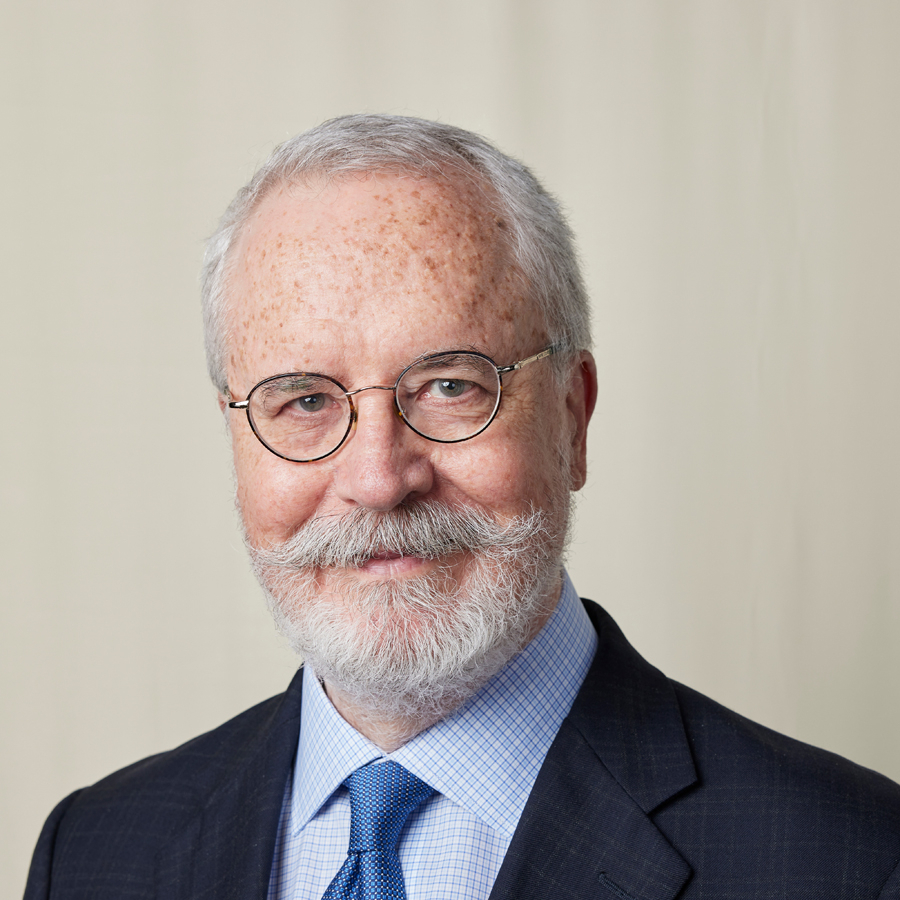
For four decades, Tom Boyd has helped bring some of ballet’s most memorable productions to life, blending artistry, innovation, and technical expertise behind the scenes. From his early days as a professional dancer to his leadership roles at both Texas Ballet Theater (TBT) and Houston Ballet, he has shaped the visual and theatrical experience of countless performances. Now, as he steps away from his role as production director at TBT, he reflects on the creative journey that led him here, the collaborations that have defined his career and why concluding this chapter with Swan Lake feels especially meaningful.
What was your early career like?
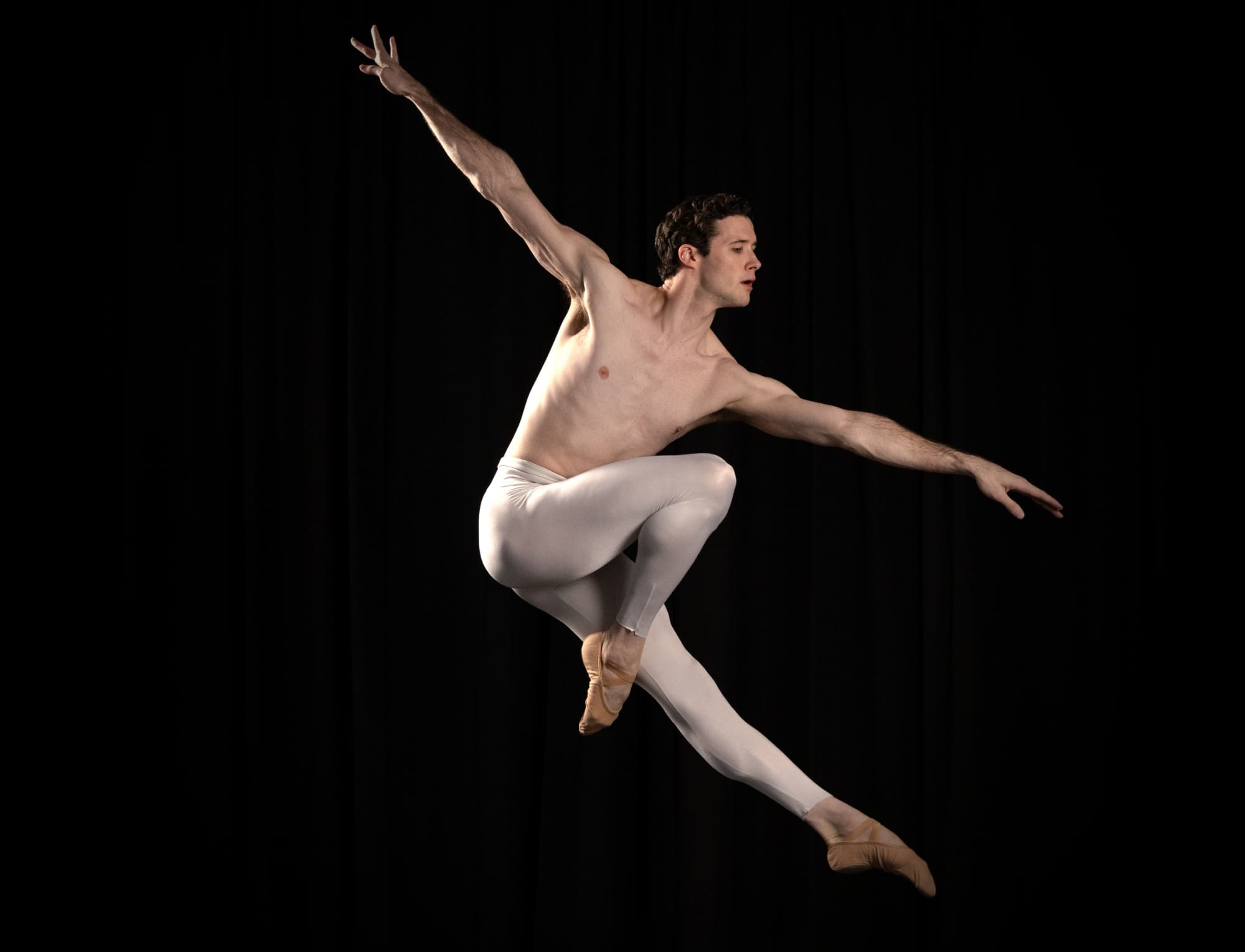
After 10 years as a contract professional dancer, I had the opportunity to train with Houston Ballet General Manager Jeannot Cerrone before becoming production manager, then production director of Houston Ballet. I then spent another 10 years producing the works of the fabulous designers brought in by Ben Stevenson, Peter Farmer, David Walker, and Desmond Heeley. These designers soon became my mentors in production design.
What does your role as a production director entail?
Production directors act as the general contractor of the stage. We put all the parts together for each program according to the needs of the show. This includes budgeting, venue scheduling, crew staffing, designer integration, and coordinating stage management and artistic teams.
Describe your creative process when starting a new production. How do you move from concept to the stage?
We always start with a conversation with the choreographer/director, designers, and other key people. Juggling all the components successfully is the trick. Design and production are separate but need to be considered and managed in sync with each other. Production directors manage many aspects of the project such as time, budget, personnel, venue, and other available resources. Then, we start the sketches, scale models, color renderings for scene and costume shops, rehearsal support, hiring of venue and crew, load-in of scenery and lighting equipment, hang, focus, and cue. Finally, we start rehearsals onstage with dancers, then open. Each component of the project can be massive, and there can be a continuous shift of priority as the process develops.
What role does collaboration play in your work?
Collaboration is essential. You can’t work in a vacuum and make assumptions on your own regarding artistic vision. The creatives who are part of the performance need to proceed ‘arms linked’ every step of the way to ensure the best outcome.
What is the most challenging set you have designed for a production and why?
The most challenging would have to be the first full-length production commissioned by Ben Stevenson, Don Quixote. This was a very large production ‘opera scale’ ballet. It had a Prologue plus three acts with so much to live up to. The performance had so much music and dancing we had to accommodate. I was fortunate to survive.
Do you have a personal signature that you include in your set designs?
Not really a signature. I have a serendipity of how I tend to solve problems of scale and proportion to make it work. Although when it comes to set design, I like scenic elements to have more than one purpose, and when possible, a vista change that confuses the eye.
What is special about Ben Stevenson’s Swan Lake?
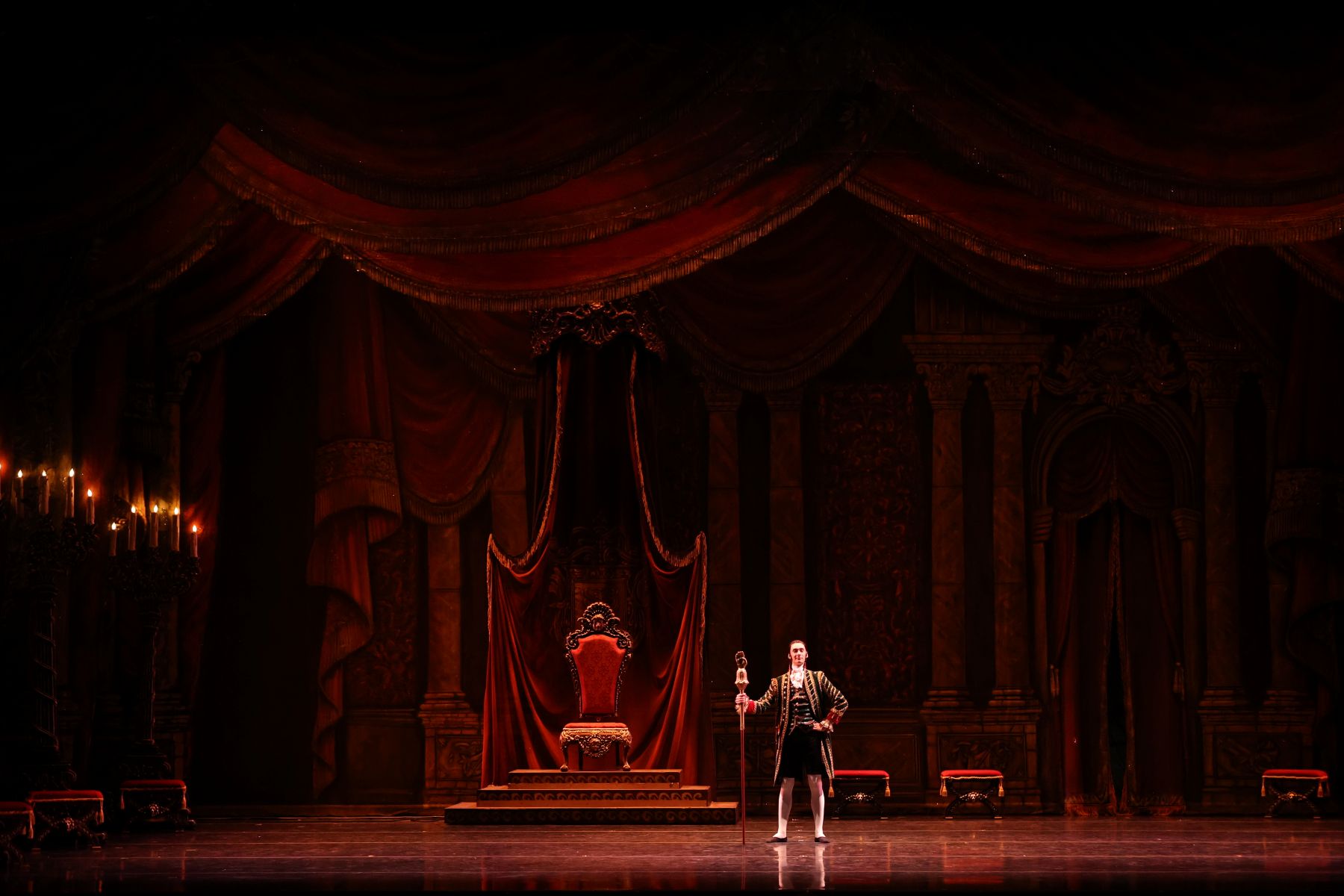
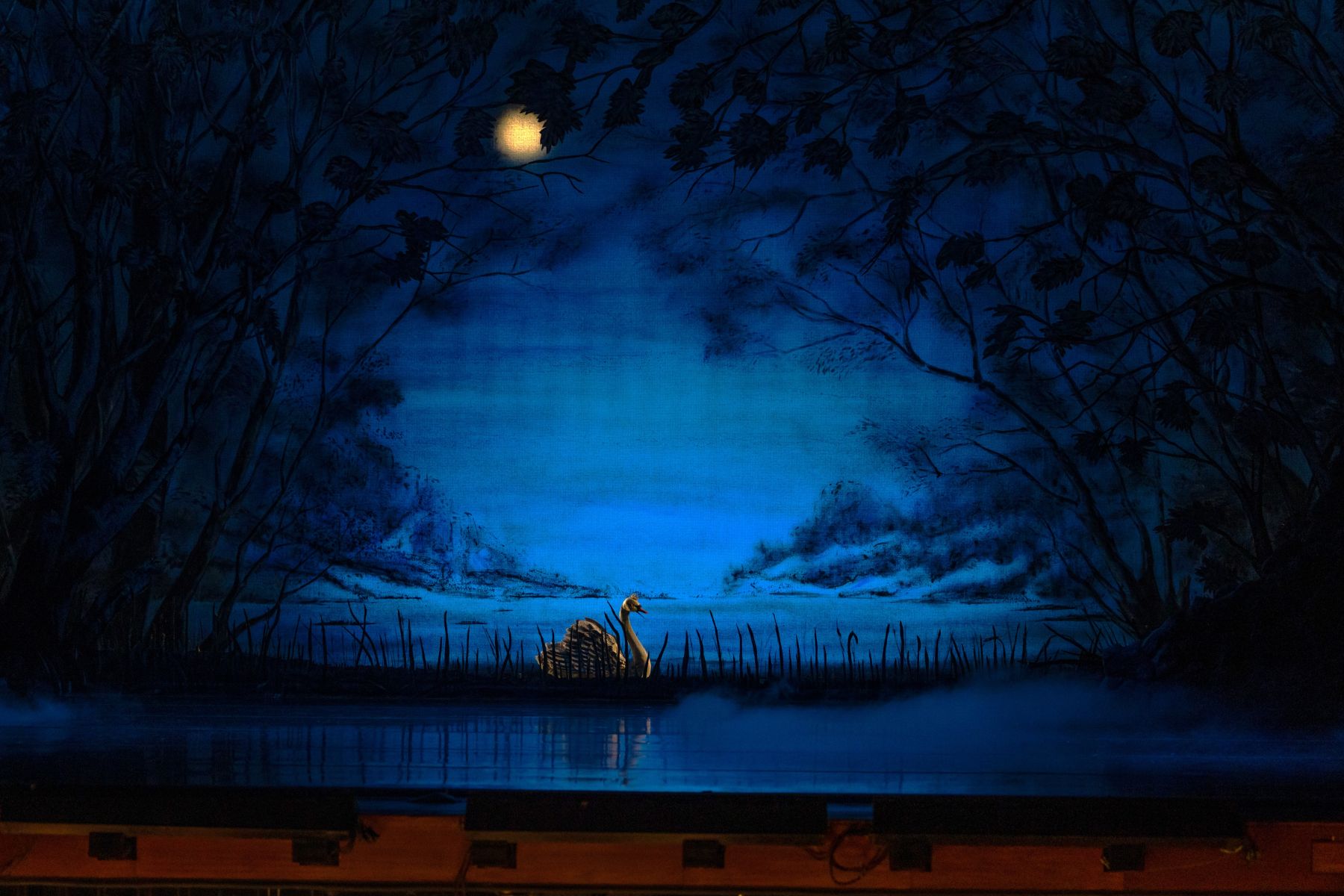
The most significant element of Ben’s Swan Lake is that he reimagined a four-act ballet into a two-act ballet. The Prologue, Garden Scene, and Lake Scene all morph from one to the other in Act I. The Ballroom Scene (traditionally Act III) shifts to the final lake scene in Act II. This restructuring of the scenes keeps the narrative flowing from one climactic moment to the next. A more relatable, enjoyable experience for the audience, in my opinion.
Swan Lake is your final production. What does it mean to you to end this chapter of your career with such an iconic ballet?
I don’t plan on leaving the industry, just my current position as production director of TBT. So, hopefully there will be more design and fabrication opportunities. In my opinion, Swan Lake is just as classic and iconic as any other ballet. Although, it seems very fitting for me to make this career change with a ballet that I have been associated with since its premiere with Houston Ballet in 1985.
As the curtain rises on Swan Lake, it marks not an ending, but the close of an extraordinary chapter and the beginning of another. After a remarkable career spent transforming artistic visions into breathtaking reality, Boyd leaves behind a legacy that will continue to inspire audiences, dancers, and the next generation of production leaders. While he may be stepping aside from his current role, his passion for design and storytelling remains as vibrant as ever. And fittingly, he does so with Swan Lake, a timeless masterpiece that has been woven throughout his career and now serves as a graceful full-circle moment.